Product Sterility Testing (USP 71)
Verify the absolute sterility of your medical devices with EBI. Our USP-compliant testing provides the definitive evidence required for final product release and patient safety.

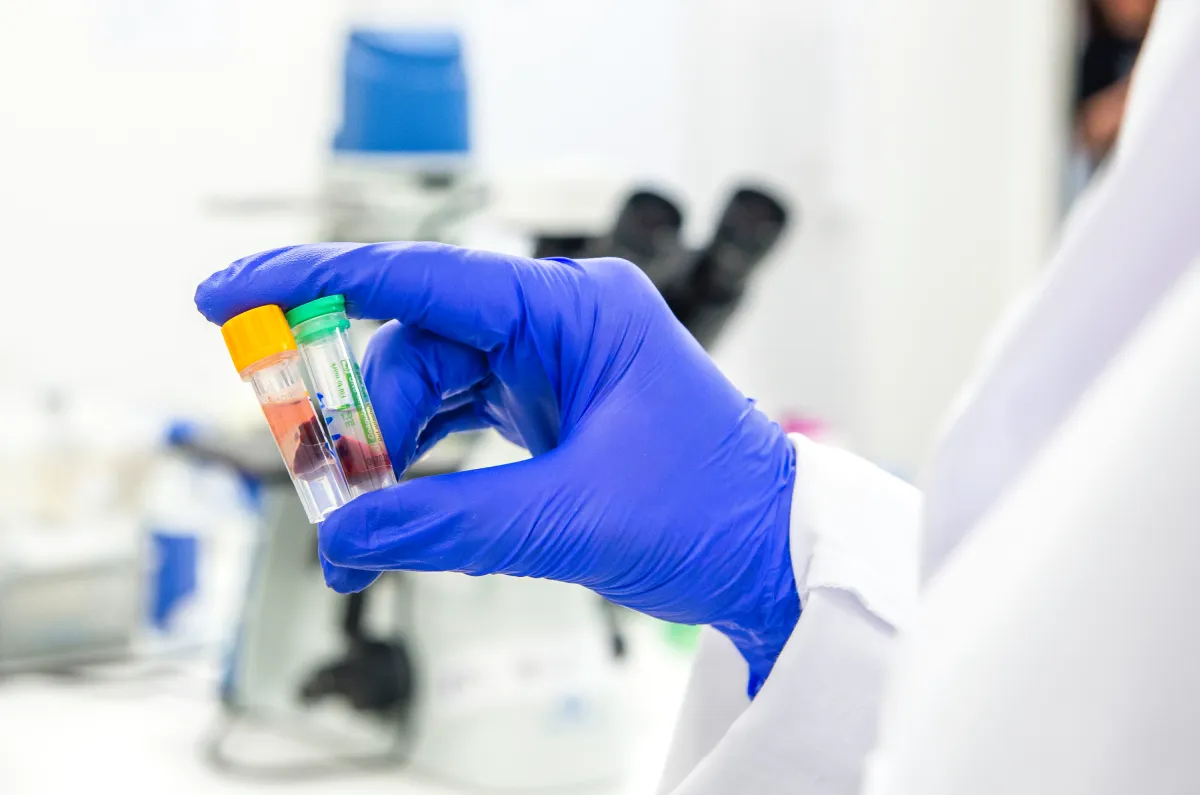
Product Sterility testing is a high-stakes assessment used to confirm that a medical device or healthcare product is free from viable microorganisms. This testing is essential for all devices labeled as „sterile” and serves as the final validation of your sterilization process. At EBI, we conduct sterility studies in strict accordance with USP <71> standards, utilizing specialized cleanroom environments to prevent external contamination and ensure accurate results.
Why Product Sterility Testing is Critical
The sterility test is a regulatory milestone that ensures your manufacturing and sterilization cycles are functioning perfectly.
- Final Quality Check: Confirms that no microorganisms survived the sterilization process.
- Regulatory Compliance: Required for CE marking (MDR) and FDA submissions for sterile-labeled products.
- Patient Safety: Prevents the risk of healthcare-associated infections caused by contaminated medical devices.
Our Testing Methodologies
Depending on the physical nature of your product, EBI utilizes one of two primary methods approved by USP guidance:
1. Membrane Filtration Method
Best for: Liquid products and extracts from solid devices.
- Process: The test article is agitated to extract potential contaminants into a fluid.
- Filtration: This extract fluid is passed through a sterile membrane filter designed to trap microorganisms.
- Incubation: The membrane is then aseptically transferred into the appropriate culture media.
2. Direct Transfer (Direct Immersion) Method
Best for: Solid products that cannot be easily extracted.
- Process: The medical device (or a representative portion of it) is aseptically transferred directly into the culture media.
- Incubation: The device remains fully immersed in the media throughout the incubation period to allow any present microorganisms to grow.
Standard Media and Conditions
In alignment with USP <71> guidance, we utilize two specific types of media to capture the broadest range of microbial life:
- Trypticase Soy Broth (TSB): Primarily used for the detection of aerobic bacteria and fungi.
- Fluid Thioglycollate Medium (FTM): Specifically designed for the detection of anaerobic and aerobic bacteria.
Sample Requirements & Timeline
To ensure the highest level of confidence in your results, testing is conducted over a defined period to allow for the growth of even slow-growing organisms.
- Turnaround Time: Standard completion in 4 weeks.
- Environment: All testing is performed by expert microbiologists in a controlled, aseptic environment.
Standards & Compliance
EBI’s sterility testing protocols are fully harmonized with international pharmacopeias:
- USP <71>: Sterility Tests.
- ISO 11737-2: Sterilization of health care products — Microbiological methods — Part 2: Tests of sterility performed in the definition, validation and maintenance of a sterilization process.
How We Work

Discovery & Insight
We begin with an in-depth consultation to understand your needs, challenges, and objectives. This helps us define the right strategy and scientific approach for your project.
Design & Development
Our experts translate your vision into actionable plans — combining innovative research, data, and technology to build precise and reliable solutions.
Delivery & Support
We implement the solution with full transparency and ongoing communication. After delivery, we stay involved — supporting you with optimization, updates, and future improvements.
FAQ: Frequently Asked Questions about Sterility Testing
What is the difference between Bioburden and Sterility testing?
Bioburden testing counts the number of microorganisms on a non-sterile device, whereas Sterility testing is a „pass/fail” test conducted on sterile devices to confirm that no microorganisms survived sterilization.
Do I need to perform Bacteriostasis & Fungostasis (B&F) before this test?
Yes. To ensure the sterility test results are valid, a B&F study must be performed to prove that the device itself does not inhibit microbial growth in the test media.
What happens if a sample fails the sterility test?
A „positive” result (growth) requires a rigorous investigation. We must determine if the growth was due to a sterilization failure or a laboratory contamination. EBI provides detailed support during the investigation of any out-of-specification (OOS) results.
What is the difference between Bioburden and Sterility testing?
Bioburden testing counts the number of microorganisms on a non-sterile device, whereas Sterility testing is a „pass/fail” test conducted on sterile devices to confirm that no microorganisms survived sterilization.
Do I need to perform Bacteriostasis & Fungostasis (B&F) before this test?
Yes. To ensure the sterility test results are valid, a B&F study must be performed to prove that the device itself does not inhibit microbial growth in the test media.
What happens if a sample fails the sterility test?
A „positive” result (growth) requires a rigorous investigation. We must determine if the growth was due to a sterilization failure or a laboratory contamination. EBI provides detailed support during the investigation of any out-of-specification (OOS) results.
Contact with us
We’re open to collaboration and research partnerships. Fill out the form — our team will respond as soon as possible.
Location:
Europejski Instytut Biomedyczny sp. z o.o.
ul. Bartycka 63A lok. 6, 00-716 Warszawa
Mail:
contact@ebi.bio
Phone:
+48 22 780 06 32
Get in touch